Introducing The Quantum Infrastructure Cloud Learn more

Capability studies

What the software does,
with the figures labelled.

Six reference scenarios, one per sector, showing where sealed execution evidence changes a quantum programme. Each figure is one the software produced; none belongs to a customer, because SoftQuantus has published no customer deployment.

How to read this page

A scenario, a sector and the record the software leaves.

Each study describes a sector, the question its researchers bring, and what QCOS, QuantumLock and the QEC stack return for it today. The figures are the software's own: qubits reachable through the API, shots and counts from a documented run, items in an evidence record. Where a figure belongs to SoftQuantus rather than to the software, such as the EuroHPC allocation, the text says so.

  • 6

    reference scenarios

  • 0

    customers named

  • 3

    ways to verify a record

Enterprise R&D

Reference scenario · National rail operator

Timetable robustness studies with a record the regulator can replay.

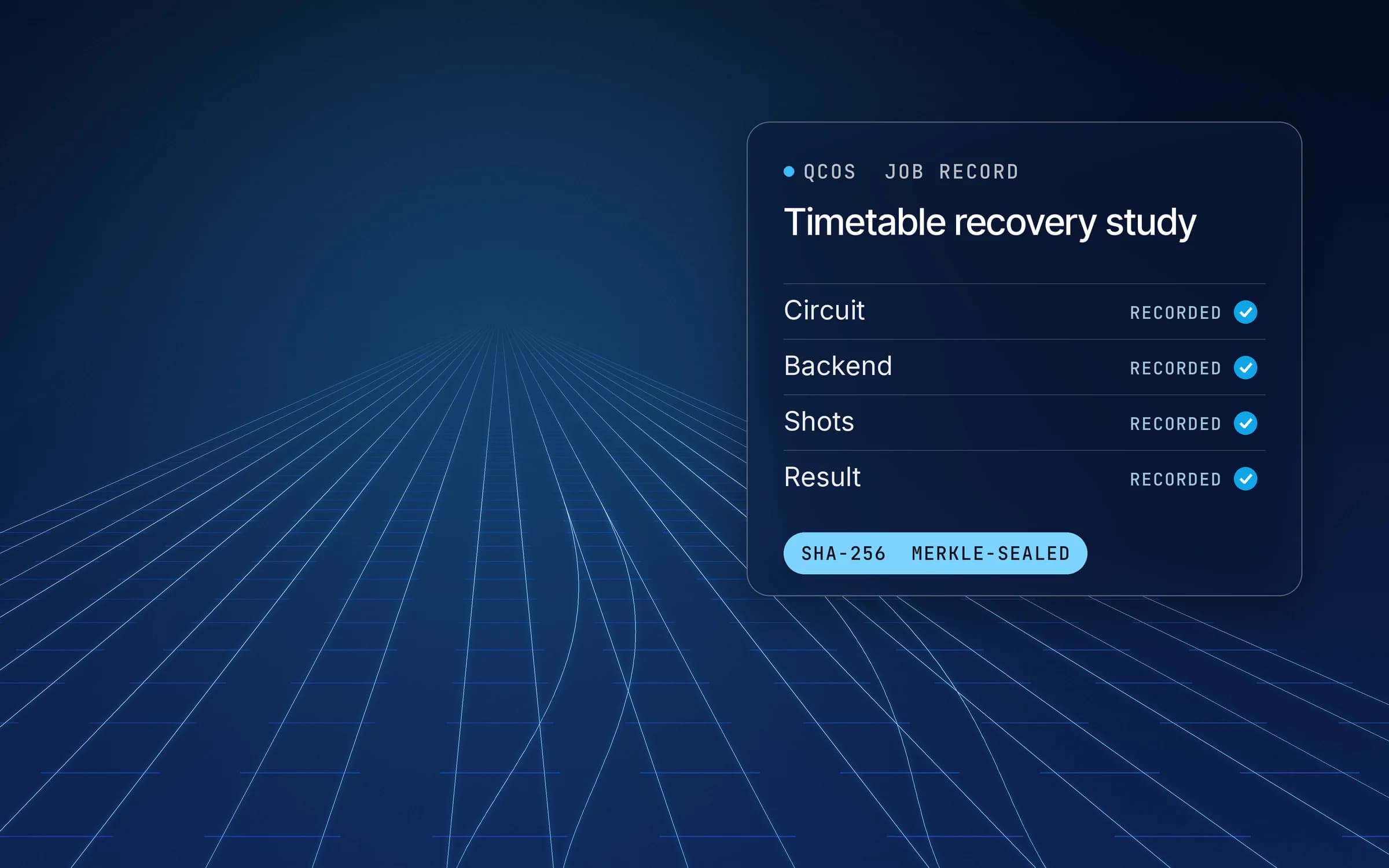
A rail operator testing quantum optimisation on timetable recovery needs each run to survive an audit: which circuit, which backend, which shots, which result. QCOS seals that record for every job before anyone reads the counts.

  • 24 qubits

    reachable through one API

  • SHA-256

    Merkle-sealed record per job

  • 3 paths

    to verify, one of them offline
Enterprise R&D solution
Enterprise R&D

Reference scenario · Grid and energy operator

Unit-commitment experiments that move from simulator to hardware without changing code.

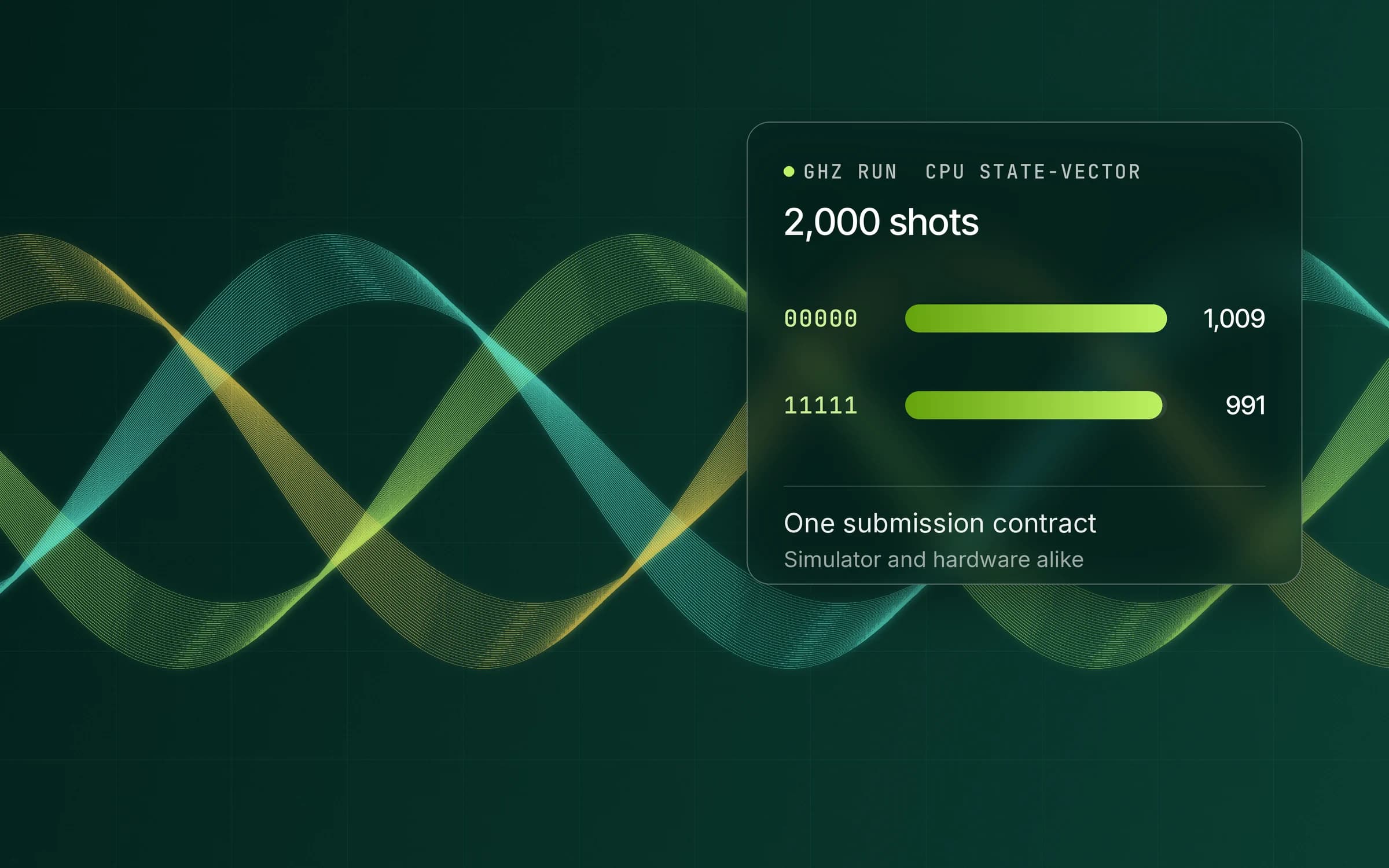
Energy teams start on a state-vector simulator and want the same program, unchanged, to reach a quantum processor later. QCOS keeps one submission contract across backends and keeps the evidence format identical on both sides.

  • 2,000 shots

    GHZ run, CPU state-vector

  • 1,009 / 991

    counts of 00000 and 11111

  • 1 contract

    simulator and hardware alike

QCOS runtime
Enterprise R&D

Reference scenario · Pharmaceutical research

Molecular-simulation runs with an evidence trail that fits a GxP-style review.

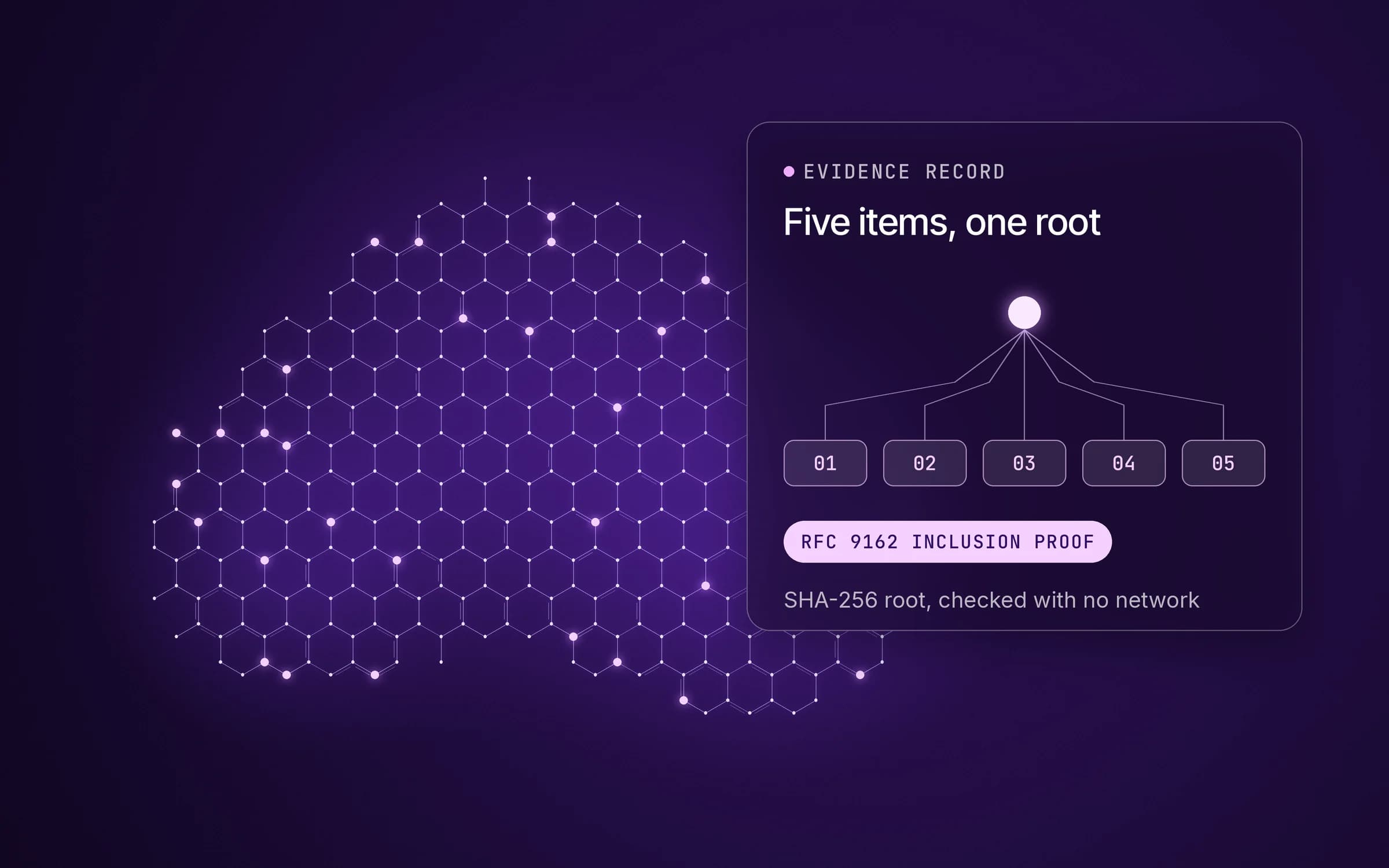
A discovery team cannot cite a result it cannot reproduce. Every QCOS job leaves a five-item record, verified by a public tool that needs no account and no network, so a reviewer can check a figure months after the run.

  • 5 items

    in every evidence record

  • RFC 9162

    Merkle inclusion proofs

  • SHA-256

    Merkle root over each record

Evidence Explorer
Financial Services

Reference scenario · Financial institution

Risk-model prototypes where model governance can see the whole execution.

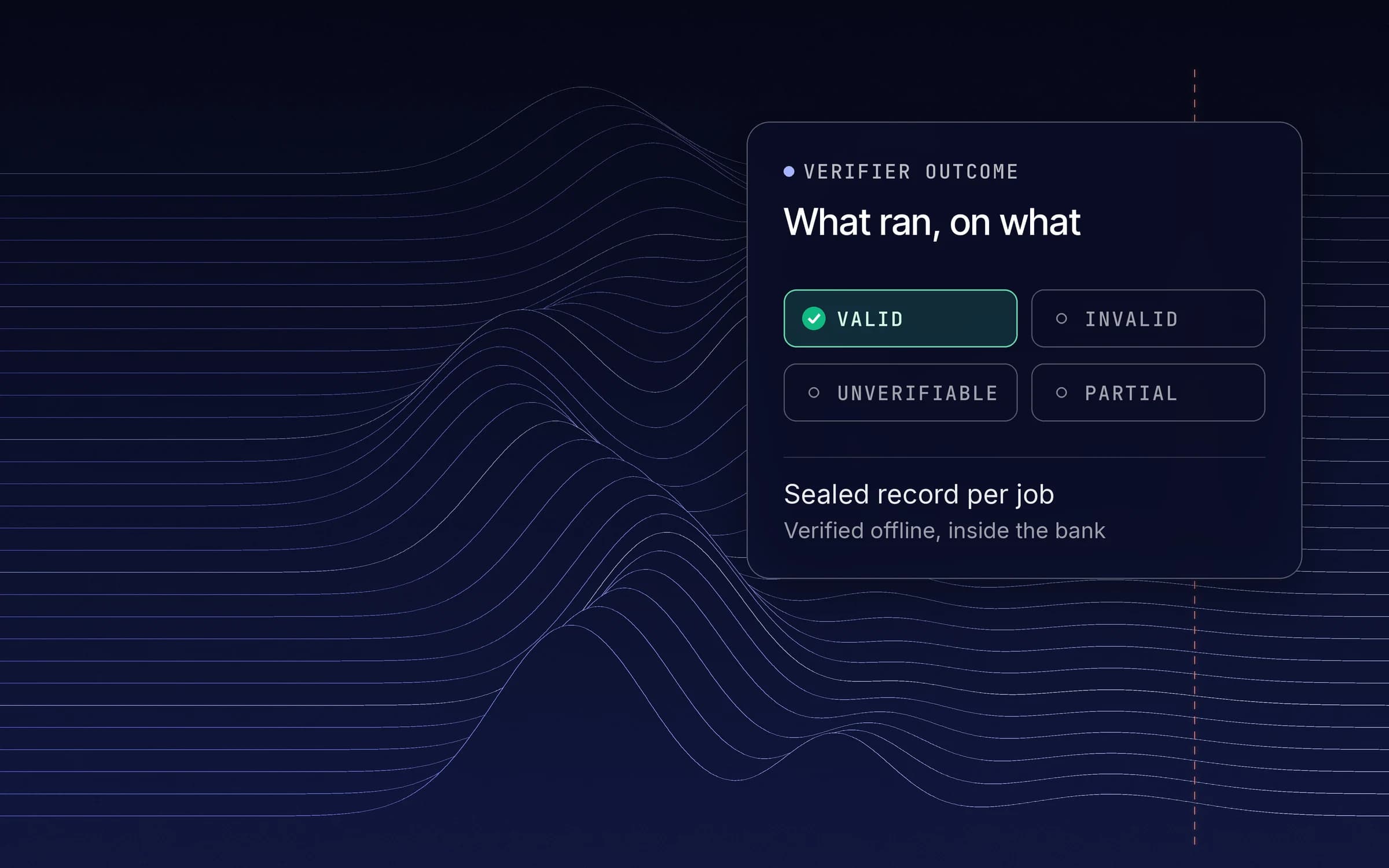
Model-risk teams ask the same question of a quantum prototype as of any model: what ran, on what, and can we prove it. QCOS answers with a sealed record per job and a verification path that runs inside the bank, offline.

  • 4 outcomes

    VALID, INVALID, UNVERIFIABLE, PARTIAL

  • 2 levels

    of claim, labelled on the record

  • TLS 1.2+

    in transit, Azure in the EU at rest

QCOS Ledger
Enterprise R&D

Reference scenario · Aerospace supplier

Error-correction studies on a surface code, with the syndrome history kept.

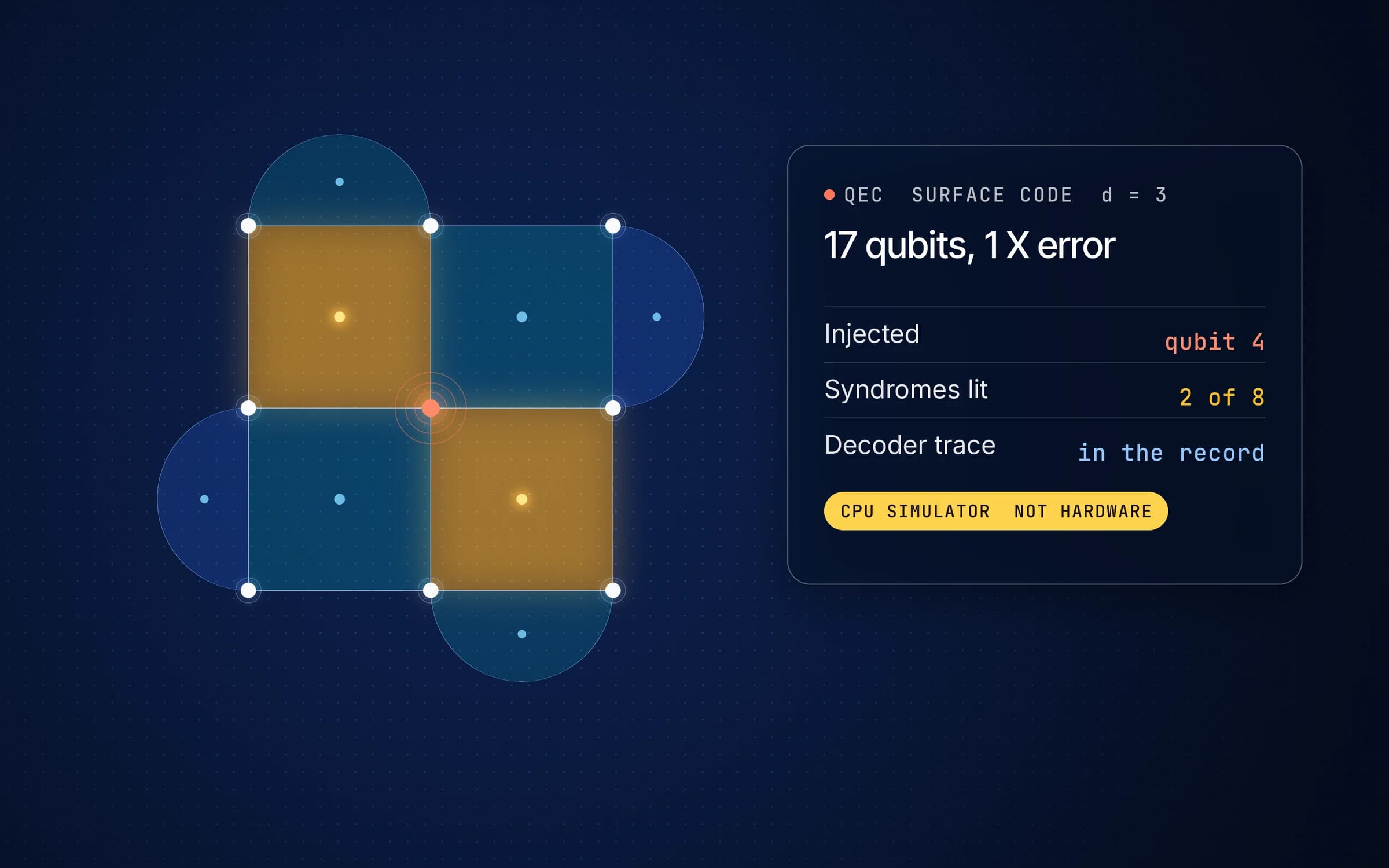
Suppliers evaluating fault-tolerant roadmaps want to see a surface code run, fail and recover, not read about it. The QEC stack demonstrates a 17-qubit surface code with an injected error and keeps the decoder trace in the record.

  • 17 qubits

    surface code demonstration

  • 1 X error

    injected on qubit 4, decoded

  • CPU

    simulator demonstration, not hardware

QEC Stack
HPC / EuroHPC

Reference scenario · National HPC centre

Quantum jobs that fit the batch queue and leave a record on the compute node.

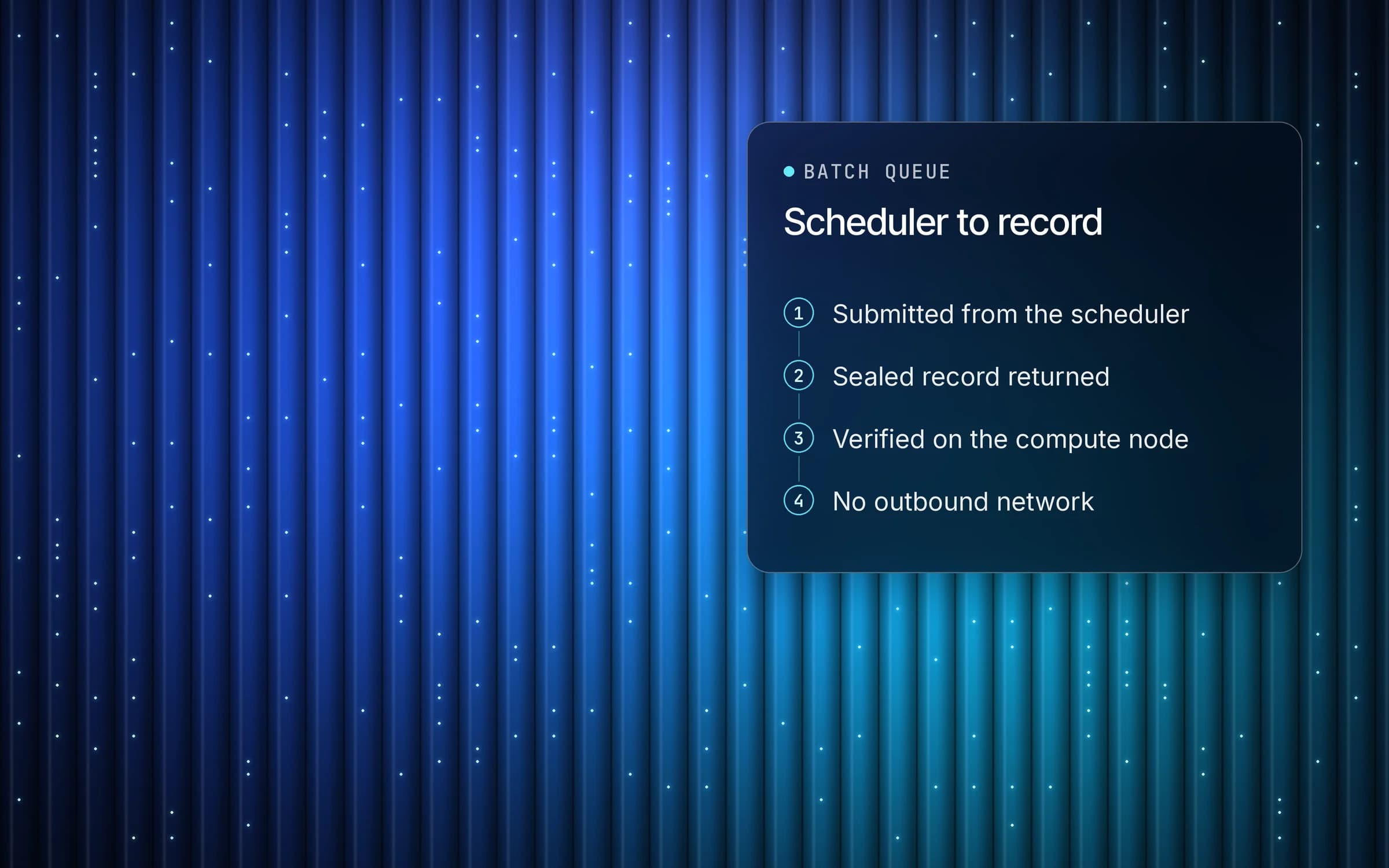
A centre serving hundreds of projects cannot give each one a quantum console. QCOS submits from the scheduler, returns a sealed record, and verifies it from a compute node with no outbound network. SoftQuantus holds an EuroHPC AI Factory allocation on LUMI-G; QCOS itself does not run there.

  • 180,000

    GPU-hours, EuroHPC AI Factory allocation

  • LUMI-G

    EHPC-AIF-2025LS13-019

  • Offline

    verification from the node

HPC centres solution

Your workload

Bring a circuit from your own programme. Leave with a record you can verify offline.

A pilot runs your circuits on the simulators behind the API, returns a sealed record for each job, and ends with a verification you run inside your own network. When the first one is published, it appears above with its figures labelled the same way.